
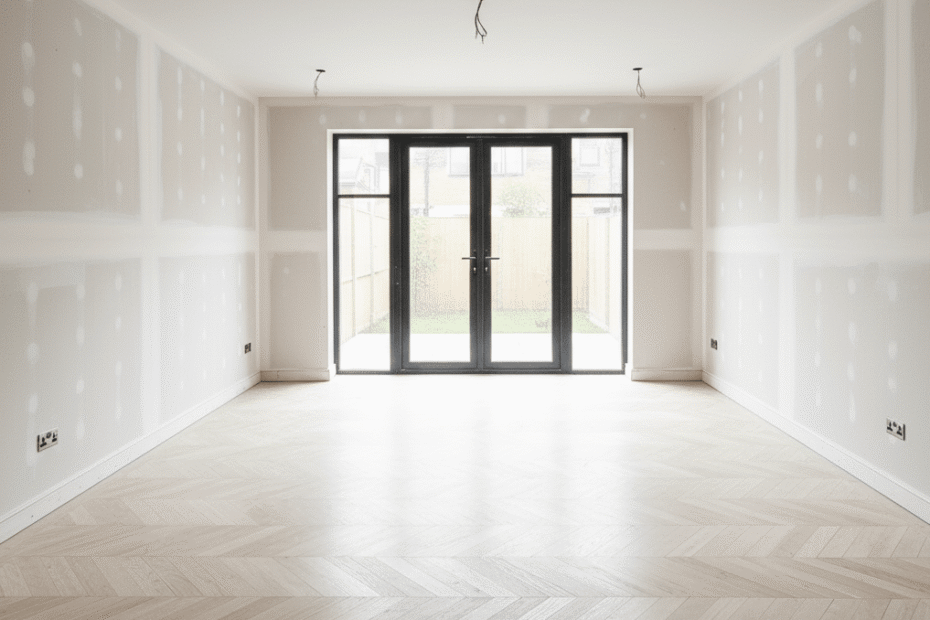
Post-Renovation Cleaning in Canada: Why Construction Dust Is a Hidden Health Hazard
A finished renovation looks like the end of the project — but the fine dust left behind can linger in your air for days and your ductwork for months. Here’s why post-renovation cleaning is a health issue, not just a tidy-up, and what a proper clean really involves.
You’ve waited weeks for the dust to settle on your new kitchen or bathroom — but renovation dust doesn’t simply settle. It’s a different beast from everyday household dust, and clearing it safely takes the right equipment and method. Here’s what every Canadian homeowner should know before moving back in, and where Anyclean’s post-renovation cleaning comes in.
📊 Why renovation dust is not ordinary dust
What Makes Construction Dust Dangerous
Post-renovation dust is composed of fine particles from drywall, concrete, wood and silica. Unlike ordinary dirt, these particles are microscopic, become airborne easily, and settle into every crevice — including air ducts and HVAC systems. Health authorities including the CDC and EPA highlight the risks of inhaling them.
The most concerning is silica dust, released when concrete, mortar and stone are cut, drilled or sanded. Prolonged exposure is linked to serious respiratory illness, including silicosis. Drywall and wood dust, plus lingering VOCs from paints, adhesives and sealants, can trigger allergies, irritate airways and aggravate asthma — a particular concern for children, seniors and anyone with respiratory conditions. In Canada’s tightly sealed, well-insulated homes and high-rises, that fine dust lingers indoors rather than dispersing.
The hidden problem: the most dangerous dust is what you can’t see. Fine particles stay airborne for days and recirculate every time your furnace or AC runs — which is why effective post-renovation cleaning means cleaning the air and the HVAC, not just the surfaces.
Why a Regular Clean (and a Regular Vacuum) Isn’t Enough
This is where standard cleaning falls short. A regular household vacuum can actually be damaged by fine plaster or cement dust — and worse, its exhaust can blow ultra-fine particles straight back into the air. Effective construction-dust removal requires specialized equipment:
- HEPA-filter vacuums that trap 99.97% of particles down to 0.3 microns, preventing recirculation
- HEPA air scrubbers/purifiers to pull lingering dust from the air
- Microfibre cloths and wet-wiping that capture dust instead of redistributing it
- Immediate furnace-filter replacement — then again about a week later
The Professional Post-Renovation Cleaning Process
A proper post-construction clean is methodical, working from the air down to the floors so dust isn’t re-deposited on cleaned surfaces:
- Air first: run HEPA air scrubbers and ventilate; replace HVAC filters.
- Top-down dust removal: HEPA-vacuum walls, ceilings, light fixtures, vents and ducts.
- Surface detailing: wet-wipe all surfaces, fixtures and newly installed finishes with care.
- Hidden areas: baseboards, door frames, inside cabinets, window tracks and high corners.
- Debris removal: safely clear leftover nails, glass, sawdust and packaging.
- Final floors: HEPA-vacuum then mop, last, once airborne dust has settled.
Careful with new finishes: fresh grout shouldn’t be scrubbed prematurely, and natural-stone, hardwood and specialty surfaces each need the right method — the wrong cleaner can ruin an expensive new install. Professionals know which is which.
When to Call the Professionals
A light DIY tidy can work for very minor jobs, but bring in professionals when there’s extensive fine dust (from drywall sanding or concrete cutting), when HVAC and ducts are involved, or when anyone in the home has respiratory sensitivities. The combination of health hazards, specialized equipment and the risk of damaging new finishes makes it a job worth doing right.
Just finished a renovation? Clear the dust safely.
Anyclean’s insured teams use HEPA equipment to remove fine construction dust across Canada — protecting your air, your finishes and your family. Backed by our satisfaction guarantee.
Get a Free Quote See Post-Renovation Cleaning